Warum das Konvertieren von Webseiten in PDF wichtig ist
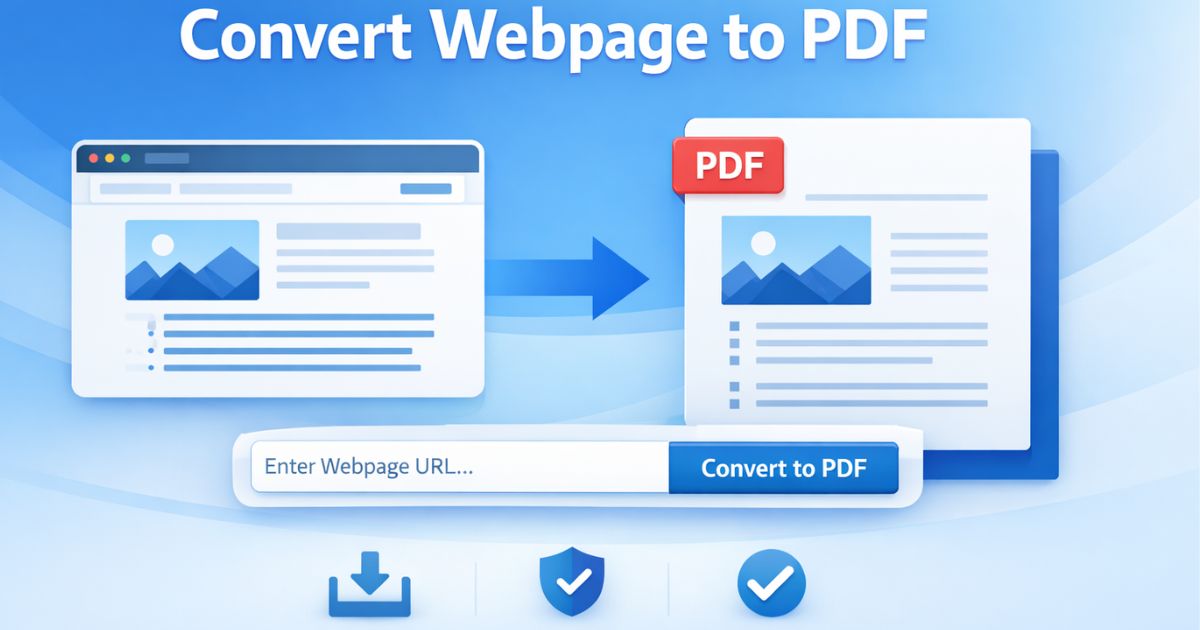
Moderne Webseiten sind dynamisch, überladen und voller Oberflächenelemente, die das Drucken erschweren. Die herkömmliche Browser-Funktion zum Drucken als PDF erfasst alles — Menüs, Seitenleisten, Fußzeilen — und liefert ein unprofessionelles Ergebnis.
Page2Doc isoliert den Hauptartikel-Container, restrukturiert das DOM und erstellt ein sauberes PDF, das für Lesbarkeit und Langzeitarchivierung optimiert ist.
Seiten, die Inhalte per JavaScript laden, benötigen möglicherweise einen Moment, bis alles angezeigt wird. Page2Doc wartet normalerweise, bis die Netzwerkaktivität nachlässt; sehr langsame Seiten können dennoch vor dem vollständigen Laden erfasst werden.
Das PDF-Layout hängt ebenfalls vom Seiteninhalt ab: Text, Überschriften, Bilder und Tabellen werden extrahiert, während Schriften, grafische Hintergründe und komplexe interaktive Elemente abweichen können. Prüfen Sie das Ergebnis daher vor dem Drucken.
Die grundlegende Verarbeitung erfolgt im Browser und Tracking-Elemente werden vor der Konvertierung entfernt. Für Seiten, die Sie mit einem Konto aufrufen, verwenden Sie die Chrome-Erweiterung: Die Web-App ruft eine URL ab, ohne Ihre Sitzung, Cookies oder Zugangsdaten zu verwenden.